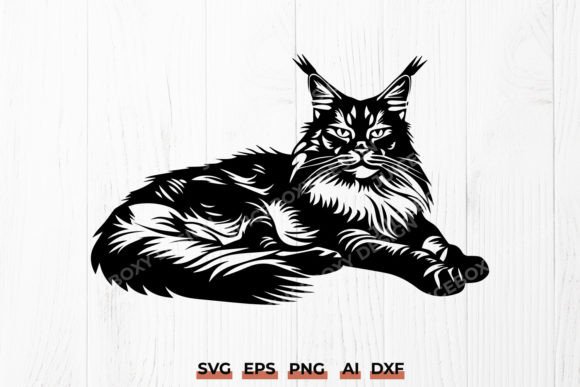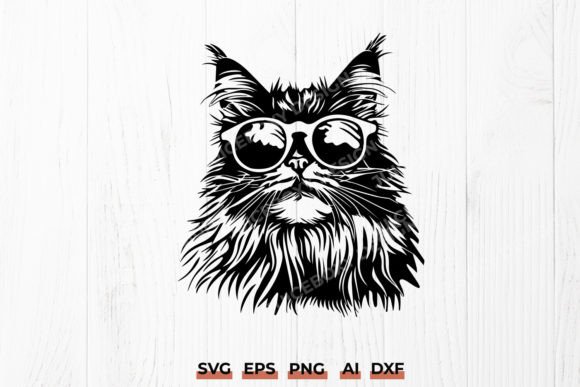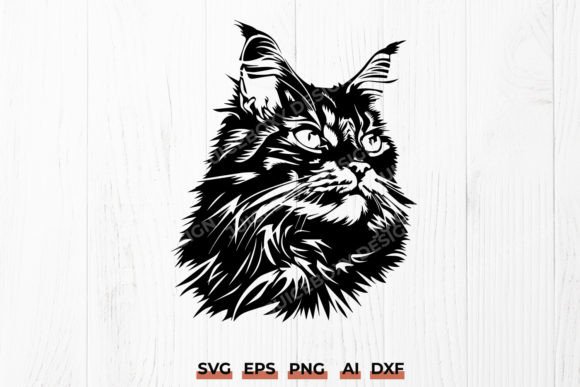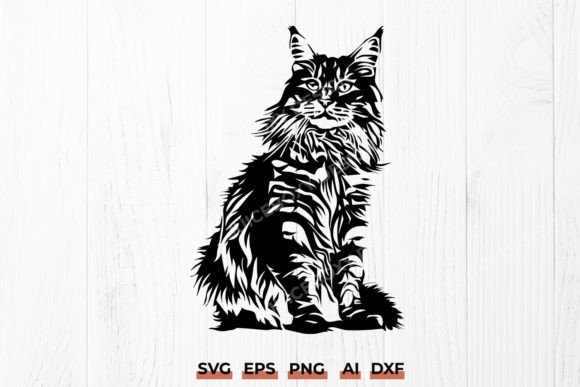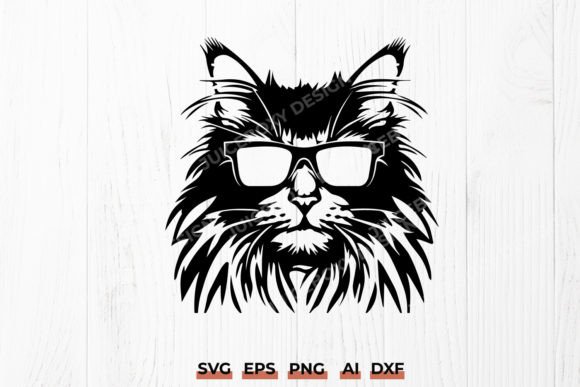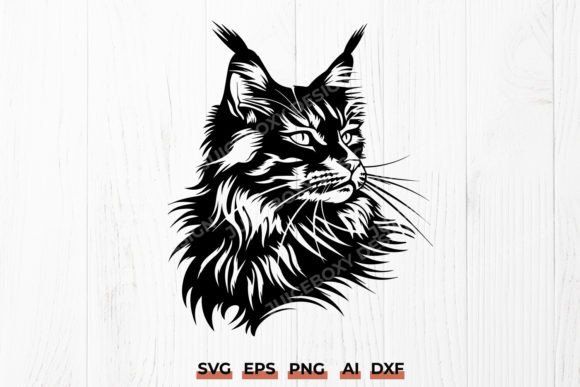
Majestic Maine Coon Cat SVG DXF
First Impressions: Regal, Refined, and Ready for Real Stitching
Opening Majestic Maine Coon Cat SVG DXF feels like unboxing a well-considered design asset—not just another cat graphic, but a thoughtful interpretation of the breed’s signature grandeur. The silhouette balances bold presence with delicate nuance: tufted ears, expressive eyes, and that unmistakable ruff all land with visual weight, yet without overcrowding the negative space. It reads instantly as “Maine Coon,” not generic feline—critical when you’re stitching for clients who care about authenticity. As an embroidery designer who’s stitched hundreds of animal motifs, I immediately sensed this wasn’t built for quick digital resale alone; it’s structured with stitch logic in mind. The curves flow, the contours avoid tight interior corners, and the proportions hold up even when scaled down to 3.5 inches—ideal for a baby onesie or a pocket patch.
A Real Project Test: Embroidering a Linen Kitchen Towel for a Local Boutique
Last week, I prepped Majestic Maine Coon Cat SVG DXF for a limited-run linen tea towel order from a Portland-based craft shop. Their customers love heirloom-quality, locally themed home goods—and they specifically asked for something “warm, detailed, and unmistakably Maine.” We chose natural undyed linen (a textured, low-stretch fabric) and soft ecru thread. The design translated beautifully: the long flowing lines of the tail and fur ruff held crispness in satin stitch, while the face used subtle fill stitch gradients to suggest depth without density overload. No puckering. No thread breaks. Just clean, confident stitching that looked handmade—not digitized. Customers responded strongly: three repeat orders within 48 hours, and two requests for matching apron versions. That tells me Majestic Maine Coon Cat SVG DXF doesn’t just sit on fabric—it invites connection.
Where It Shines (and Where to Pause)
This isn’t a one-size-fits-all embroidery file—and that’s a strength. It excels on stable, medium-weight fabrics: cotton twill for tote bags, fleece-backed sweatshirts, sturdy denim caps, and woven pillow covers. On those surfaces, the design’s balance of open shape and intentional detail gives stitchers room to breathe—no frantic re-hooping or stabilizer overkill. It works especially well for custom apparel where personality matters: think embroidered dad caps for cat rescues, personalized baby blankets for Maine-themed nurseries, or boutique sweatshirt collections targeting pet lovers.
That said, proceed thoughtfully with stretchy knits (like jersey t-shirts), ultra-thin voile, or highly textured burlap. The design’s elegant lines rely on surface stability—if the fabric shifts under the needle, the ruff or ear tufts can blur. Also, avoid cramming it into hoops smaller than 4×4 inches unless you’ve tested scaling first. Tiny details—like the whisker line definition or inner ear contour—can vanish or become unstable below 2.75 inches. And on dark fabric? Always test thread contrast: a light gray or oatmeal thread often reads richer than stark white, preserving the Maine Coon’s dignified warmth.
What This Design Adds to Your Finished Product
Using Majestic Maine Coon Cat SVG DXF elevates more than aesthetics—it lifts perceived value. Handmade products with strong, recognizable motifs earn trust faster. A customer buying a custom embroidered tote bag isn’t just paying for thread and linen; they’re investing in identity, story, and craftsmanship. This design delivers that quietly: no cartoonish exaggeration, no dated clipart energy—just sincere, breed-accurate charm. For Etsy sellers and small shop owners, that translates to better photo mockups, stronger listing engagement, and fewer “Is this really a Maine Coon?” questions. It also plays well across product categories: as a standalone motif on a tea towel, as part of a trio on a nursery pillow set, or scaled large for a wall-hanging embroidery hoop. Its versatility makes it a smart addition to your core design assets—especially if you serve pet-centric niches, regional boutiques, or gift-focused buyers.
Practical Notes Every Embroidery Designer Should Check
- Test first on scrap fabric—especially if using textured, dark, or stretchy materials.
- Review stitch density before finalizing: high-fill areas (like the chest ruff) should feel substantial but not stiff.
- Confirm hoop size compatibility—this design fits comfortably in 5×7 hoops, but verify native dimensions before converting to PES or DST.
- Inspect small details at 100% zoom: eyelashes, ear tufts, and paw pads must remain legible post-digitization.
- Mock it up in black and white to assess contrast and clarity—crucial for printable mockups and digital previews.
- Use appropriate stabilizer: cutaway for knits, tear-away for stable wovens, and lightweight fusible for delicate linens.
- Verify licensing before selling finished items or bundling as part of a commercial embroidery collection—especially for Etsy sellers and digital product shops.
Final Thought: A Design That Serves Both Maker and Market
Majestic Maine Coon Cat SVG DXF stands out because it respects the craft behind the click. It’s not oversimplified for speed, nor overcomplicated for show. It’s calibrated for real-world embroidery: clear sightlines for hooping, forgiving curves for consistent stitch travel, and visual storytelling that resonates with customers who appreciate authenticity. Whether you’re a hobbyist stitching gifts for fellow cat lovers, a small business owner building a cohesive craft line, or a digital product seller curating premium Graphics for the Crafts community—it’s a design that earns its place in your workflow. Not because it’s flashy, but because it works, reliably, beautifully, and meaningfully.