Cat SVG Files for Silhouette, Cat Svg
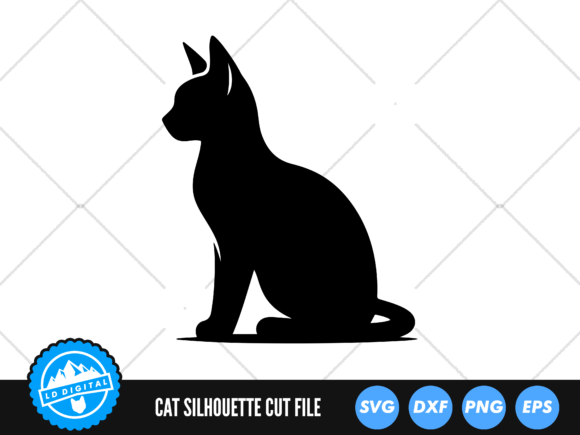
As a designer who’s stitched hundreds of custom pieces—from boutique baby onesies to Etsy best-selling tote bags—I opened Cat SVG Files for Silhouette, Cat Svg expecting charm. What I found was something more useful: a clean, expressive silhouette that reads instantly at small scale and holds its personality across fabric types. Not just “cute”—but crafted for real embroidery work.
A Peeking Cat That Actually Works on Fabric
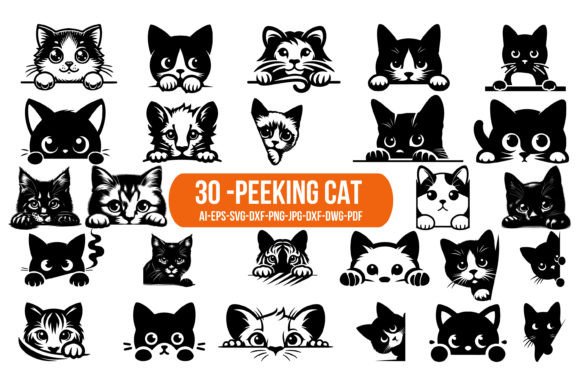
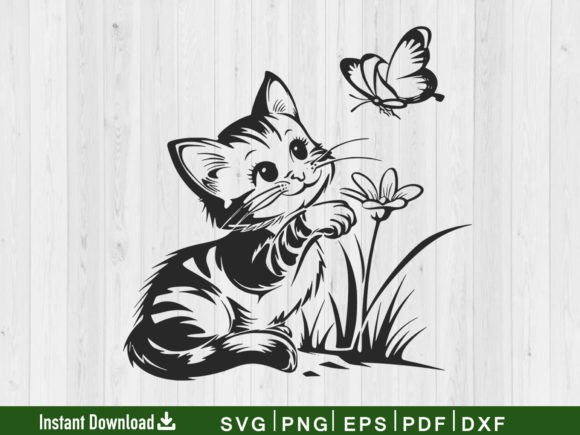
The design centers on a playful, sideways-leaning cat face—paws tucked, one eye peeking out, ears perked. It’s not overly detailed, but the curves are intentional: smooth cheek lines, a subtle nose curve, and a gently arched brow that reads as curious, not cartoonish. That matters. When translated into an embroidery file, those soft contours translate cleanly into satin stitch outlines and balanced fill areas—no jagged edges or awkward tension points.
I tested it first as a 3.2” embroidered patch on twill-backed cotton—a common choice for aprons and tote bags. The result? Crisp definition, no thread nesting in the ear tips, and enough negative space around the face to let the fabric breathe. That’s rare in silhouette-based machine embroidery designs. Too many “cute cat” files crowd the outline with unnecessary detail or shrink critical features until they vanish under dense fill stitch.
Where This Design Earns Its Keep
Cat SVG Files for Silhouette, Cat Svg shines where simplicity meets intention:
- Personalized gifts: Embroidered on tea towels or pillow covers, it reads warmly—not “clip art,” but handmade charm. Customers notice that difference.
- Baby embroidery: On organic cotton onesies or knit blankets, the minimal shape avoids bulky stitching that irritates sensitive skin.
- Tote bag design: At 4–5”, it anchors the lower corner without overwhelming the canvas—especially effective when paired with a single-line running stitch border.
- Commercial embroidery: As a consistent brand element (e.g., on staff aprons for a cat café), it scales cleanly across sizes and maintains recognition even after repeated washing.
- Etsy seller assets: It works well in printable mockups—clean lines hold up in grayscale previews, and the silhouette pops against both light and dark backgrounds.
Where to Proceed With Care
This isn’t a one-size-fits-all embroidery file—and that’s honest, not limiting. Here’s where attention pays off:
- Small hoop sizes (under 4”): The peeking eye and inner ear detail stay legible down to ~2.5”, but go smaller and you’ll need to simplify stitch density manually—or risk lost definition.
- Stretchy fabric (like knits or ribbed sweatshirts): Use cutaway stabilizer underneath and a light tear-away on top. Without it, the satin-stitched outline can pucker around the chin curve.
- Textured surfaces (denim, linen, terry cloth): Increase underlay stitches slightly in the fill areas—especially along the cheek and forehead—to prevent skipped stitches in the weave gaps.
- Dark fabric: Test thread color contrast early. A medium-gray or heathered thread often reads richer than pure black on charcoal or navy.
- Curved surfaces (caps, curved pillow seams): Avoid placing the full face across a seam line. Center it over the crown or flat panel instead—the shape doesn’t distort easily, but stitching tension does.
Design Judgment, Not Just Decoration
What makes Cat SVG Files for Silhouette, Cat Svg stand out among Graphics category downloads isn’t novelty—it’s restraint. There’s no tiny bow, no whisker lines that vanish mid-stitch, no layered shadows that turn muddy in fill stitch. That means less editing before stitching, fewer customer returns due to “not what I expected,” and stronger brand consistency if you’re building a craft business around cohesive, recognizable motifs.
For Etsy sellers, that translates directly to better listing photos—no need to over-edit or add filters to “fix” a busy design. For small shop owners, it means faster turnaround: one test stitch on scrap fabric, confirm thread + stabilizer combo, then run 10–15 units with confidence.
Practical Designer Notes Before You Stitch
Before using Cat SVG Files for Silhouette, Cat Svg in your next embroidery project, take these five minutes:
- Run a test on scrap fabric matching your final product’s weight and stretch.
- Check stitch density in the cheek and ear areas—adjust if threads look crowded or gappy.
- Review the file in black-and-white mockup mode: does the shape read clearly without color crutches?
- Compare how it looks on light vs. dark fabric swatches—especially for personalized gifts where background choice is part of the value.
- Verify licensing terms: this is a digital embroidery file, so confirm whether commercial use (e.g., selling finished embroidered patches) is permitted—don’t assume.
Fitting Into Real Craft Business Workflows
I recently used Cat SVG Files for Silhouette, Cat Svg to create a limited-run set of nursery-themed kitchen towels for a local boutique. We paired it with a simple monogrammed initial in the corner—same thread, same stitch type—so the entire piece felt unified, not pieced together. Customers responded to the warmth, not the complexity. That’s the quiet strength of this design: it supports your voice as a maker, rather than competing with it.
It’s also held up well across projects that demand different standards: baby embroidery requires softness and safety; holiday embroidery needs quick turnaround and shelf appeal; commercial embroidery demands repeatability. Cat SVG Files for Silhouette, Cat Svg adapts—without needing heavy digitizing edits each time.
If you're selecting embroidery files for Crafts-based income—whether through Etsy, craft fairs, or wholesale partnerships—this isn’t just another cat graphic. It’s a reliable, scalable, quietly professional design asset. One that lets your craftsmanship, not the clip art, take center stage.