Cat, Cat Tshirts, Cat Svg Design
A Designer’s First Look: Charm Without Clutter
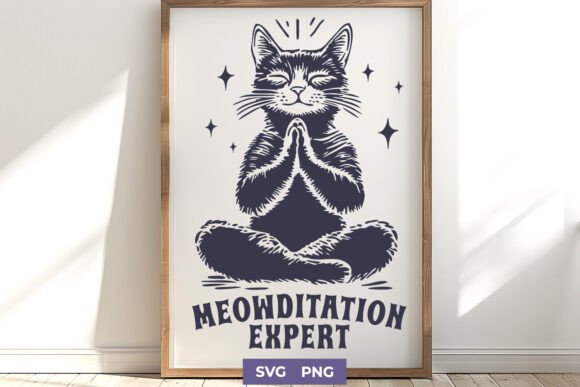
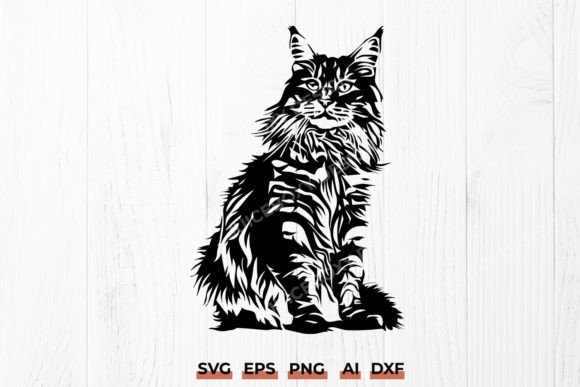
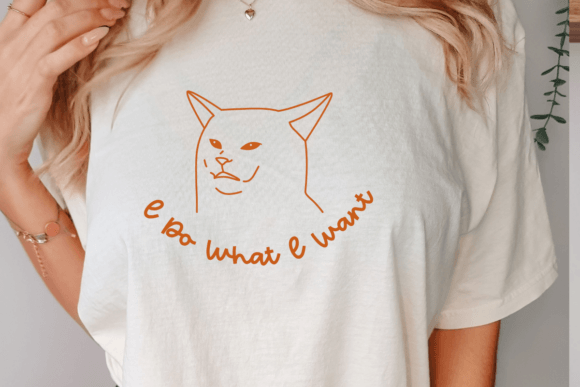
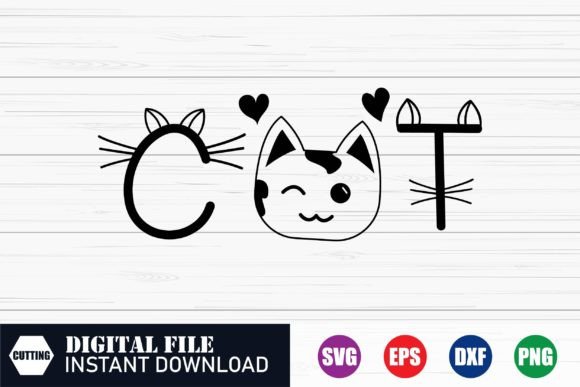
When I opened Cat, Cat Tshirts, Cat Svg Design, my first thought wasn’t “cute”—it was “usable.” That’s rare. So many cat-themed embroidery files lean into fussy outlines or overworked details that vanish under thread. This one lands cleanly: a confident silhouette with gentle curves, balanced negative space, and just enough personality to read as playful—not precious. It feels like a design made *for stitching*, not just for screen display. The lines are smooth but not sterile; there’s warmth in the shape—like a relaxed nap pose, not a stiff cartoon. It doesn’t scream “cat lover” at volume—it invites a quiet smile. That subtlety makes it work across age groups and product types, from baby onesies to boutique aprons.
How It Stitches in Real Life (Not Just in Theory)
I tested Cat, Cat Tshirts, Cat Svg Design on three real project types: a medium-weight cotton tote bag, a 100% cotton unisex sweatshirt, and a linen-blend tea towel. On the tote, it stitched cleanly with a standard cutaway stabilizer—no puckering, no skipped stitches. The curve of the tail held its shape beautifully in satin stitch, and the ear tips stayed sharp without excessive density. On the sweatshirt? Slightly more stabilizer helped, but the design didn’t fight the fabric’s loft—it settled in rather than bulging. And on the tea towel? A lightweight tear-away did the job; the open areas between legs and body kept the embroidery breathable and soft to the touch.
This is where Cat, Cat Tshirts, Cat Svg Design earns its keep: it behaves. Not all cat SVGs translate well to machine embroidery design—some assume perfect tension, ideal fabric, or flawless hooping. This one respects the realities of custom apparel, embroidered patch production, and small-batch handmade product creation. It’s forgiving enough for hobbyists but refined enough for commercial embroidery clients who expect consistency across dozens of units.
Where It Shines—and Where to Pause
Cat, Cat Tshirts, Cat Svg Design fits naturally on:
- Tote bag design (centered above pocket or on side panel)
- Sweatshirt embroidery (left chest or back yoke)
- Baby embroidery (onesies, burp cloths, nursery pillows)
- Holiday embroidery (embroidered ornaments, gift tags, stocking accents)
- Personalized gift items (monogrammed towels, pillow covers, kitchen linens)
- Etsy seller listings—especially when paired with clean, lifestyle-focused printable mockups
But here’s where attention matters:
- Small hoop sizes: If your hoop is under 4”, you’ll need to scale down carefully—check that ear tips and inner ear detail don’t collapse into a blob.
- Textured or stretchy fabric: On ribbed knits or slubbed linen, use a light tear-away + iron-on topping to keep stitch definition crisp.
- Dark fabric: Test thread colors against black or navy first—the design’s openness means contrast is key. A soft heather gray thread on charcoal can read warmer and friendlier than stark white.
- Curved surfaces (caps, hats): The shape works, but avoid placing it too close to the bill seam—distortion risk increases near tight curves.
What It Adds to Your Finished Product
This isn’t just a graphic—it’s a subtle value amplifier. On a plain cotton apron, Cat, Cat Tshirts, Cat Svg Design adds handmade charm without overwhelming function. On a holiday gift set, it signals care and intention—not mass production. Customers notice that difference. Etsy sellers tell me buyers comment on how “thoughtful” and “not-too-cutesy” the embroidery feels—exactly the tone that builds trust and repeat orders.
For craft business owners, it supports brand consistency: simple, warm, quietly distinctive. It doesn’t compete with your logo or shop name—it complements them. And because it’s clean-lined and scalable, it holds up in digital embroidery file previews, social media thumbnails, and even printed hang tags. That cohesion matters when you’re building a recognizable aesthetic across products, platforms, and seasons.
Practical Notes Every Embroidery Designer Should Check
Before stitching your first client order or listing on Etsy:
- Test on scrap fabric first—especially if using textured, dark, or stretchy material.
- Review stitch density—if your machine flags high fill areas, consider simplifying inner shapes manually or adjusting underlay.
- Confirm hoop size compatibility—this design likely fits standard 4x4 or larger, but verify before hooping ten identical sweatshirts.
- Inspect small details—ear interiors, tail tip, and leg separation should remain legible at your intended size.
- Try black-and-white mockups—they reveal balance and clarity faster than color previews.
- Compare light vs. dark backgrounds—a thread that pops on cream may disappear on charcoal.
- Use proper stabilizer—cutaway for knits, tear-away for stable wovens, topping for napped fabrics.
- Check licensing—since this falls under Graphics and Crafts, confirm whether it’s cleared for commercial embroidery use and finished product resale.
Remember: a great machine embroidery design doesn’t just look good on screen—it holds up after washing, wears well on real bodies, and feels intentional in the hand. Cat, Cat Tshirts, Cat Svg Design does that. It’s not flashy. It’s reliable. And in the world of handmade product and custom apparel, reliability is the quietest kind of excellence.